TikTok LIVE Selling in 2026: 6 Things That Actually Drive Conversions
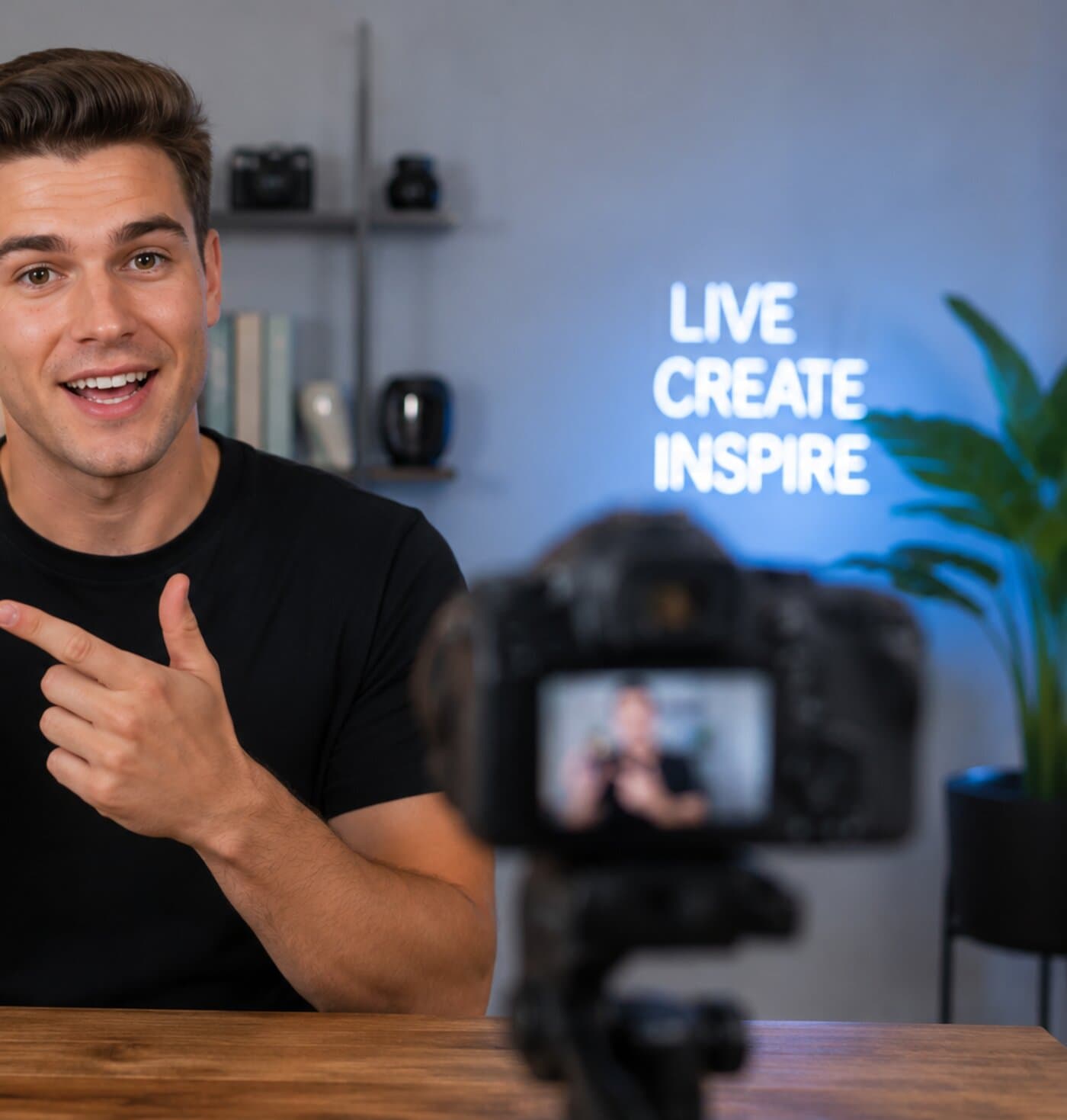
LIVE is the highest-leverage format on TikTok Shop, and it isn't close. Compared to a static post, a well-run LIVE session drives roughly 10–15x the engagement. Compared to a standard pre-recorded video, LIVE converts at 3–5x the rate. Compared to a static Shop ad, it converts 12–18% higher. Those numbers explain why sellers who used to treat LIVE as a nice-to-have are now building entire content calendars around it.
But "go live and sell stuff" isn't a strategy — most of the gap between a session that moves inventory and one that just racks up idle viewers comes down to a handful of specific, fixable habits. Here's what actually matters in 2026, including a compliance change that's now non-negotiable.
1. Real-time human presence is no longer optional — it's the rule
This is the one most sellers haven't caught up to yet. As of June 22, 2026, TikTok Shop's "Requirements for High-Quality Videos and LIVEs" policy took effect in the US, and it directly targets the shortcuts a lot of sellers were relying on:
- No AI-generated voices, audio recordings, or radio-style audio in LIVEs.
- No pre-recorded audio during a LIVE — it has to be real, real-time speech.
- Stills, slideshows, scrolling images, or animated content can't cover more than 50% of the screen. A LIVE that's mostly a fixed product image with a soundtrack no longer qualifies as a LIVE under the policy.
- No overlaying product page screenshots on top of your content.
In their place, TikTok now explicitly requires hosts to show their face, use real-time verbal (or sign-language) communication, and demonstrate the product from multiple angles with decent lighting, a stable shot, and clear mic audio. Enforcement runs through the Creator Health Rating dashboard, and it has real teeth: violation points, content removal, feature-access restrictions, restricted commission earnings, and in serious cases, account restriction.
The practical takeaway: if your LIVE strategy leaned on synthetic voiceovers, looping b-roll, or an "always-on" AI-hosted stream, that setup is no longer compliant — and the fix isn't a workaround, it's putting an actual person on camera, talking to actual viewers, in real time.
2. Consistency beats intensity
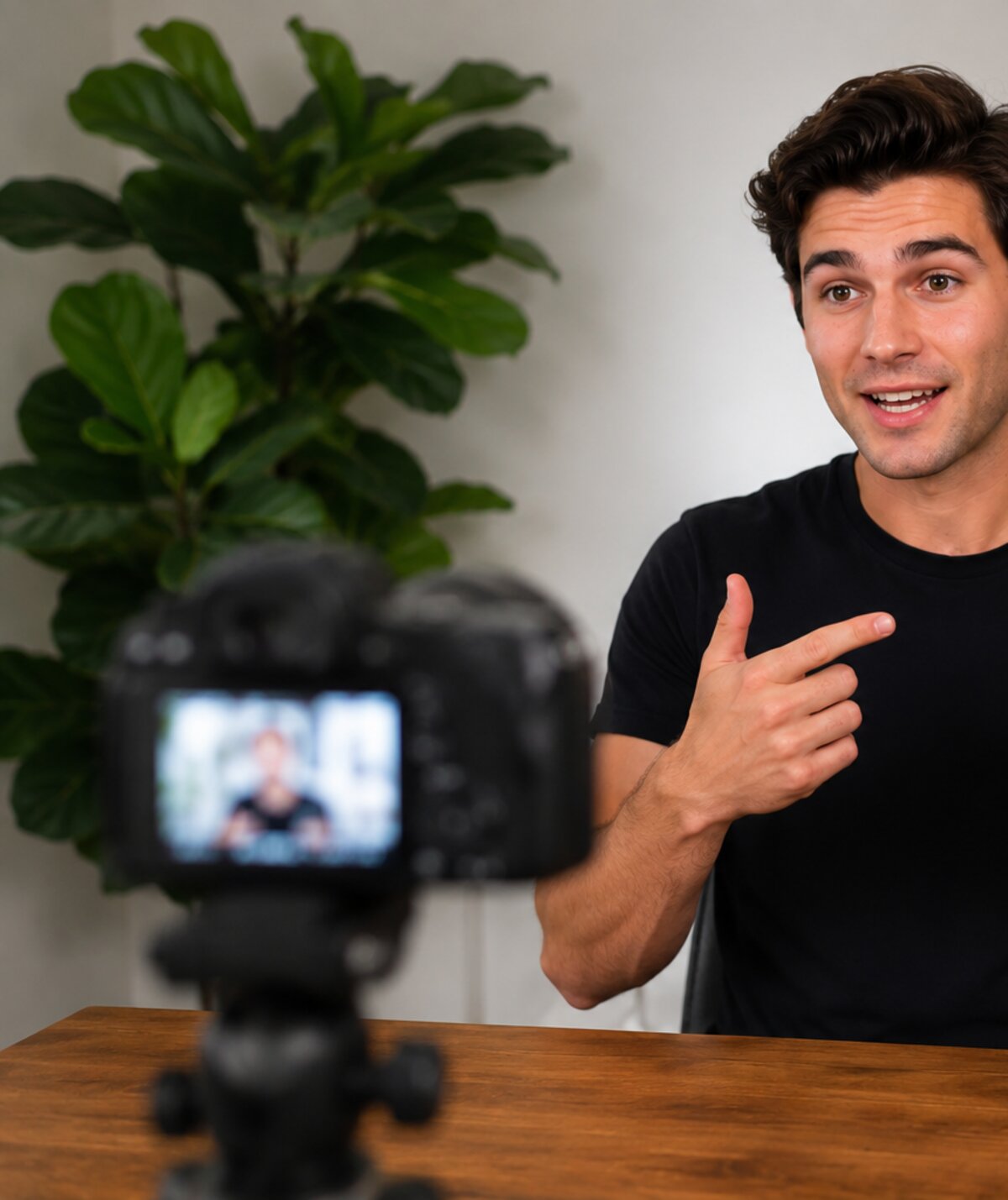
The sellers who win with LIVE aren't the ones who go live once and disappear — they're the ones who show up on a predictable schedule. The pattern that performs best is 1–2 sessions per week, run during peak engagement hours (roughly 7–10 PM local time), each lasting 60 minutes or more. TikTok's algorithm rewards consistency: viewers learn when to show up, and the platform learns to expect — and distribute — your sessions.
Sporadic, one-off LIVEs rarely build the habit-forming audience that drives repeat GMV. Treat your LIVE schedule the way you'd treat a weekly show, not a one-time event.
3. The first 15 minutes decide how far you reach
TikTok's LIVE algorithm weighs early engagement heavily — how fast viewers join, comment, and stick around in the opening minutes shapes how aggressively the platform pushes your stream to new viewers for the rest of the session. That means the strongest hook, the clearest greeting, and your best product should front-load the stream, not show up 40 minutes in once momentum has already been decided.
Practically: have your opening script and first product ready before you hit "Go Live," don't spend the first few minutes testing audio or waiting for viewers to trickle in, and greet people by name as they join to spike early interaction.
4. Pace your products — 5 to 8 per session, shown from multiple angles
Cramming twenty SKUs into one session dilutes attention and buries your best sellers. The sessions that convert well tend to feature 5–8 products, each given real time on screen — shown from multiple angles, with features and functionality actually demonstrated, not just held up and described. This lines up directly with TikTok's own production requirements: adequate lighting, a stabilized shot, and a genuine multi-angle demo per product, not a single static hold-up-and-talk shot.
5. Comments are the conversion engine, not background noise
A LIVE isn't a broadcast, it's a conversation. Real-time engagement with the comment section — answering questions, calling out limited stock, acknowledging specific viewers — is what turns a passive audience into buyers, and it's also what the algorithm is watching for as a signal that your content deserves more reach. If comments are piling up unanswered, you're leaving both sales and distribution on the table.
6. The sale doesn't end when you go offline
Momentum from a strong LIVE session doesn't have to stop at the "End Live" button. Following up — repurposing LIVE highlights into short-form clips, restocking or price-anchoring messages, and reminding viewers of your next scheduled session — extends the value of every hour you spend live, instead of starting from zero next time.
Where this fits into a real TikTok Shop strategy
None of this requires a studio or a big production budget — TikTok's own rules confirm that. What it requires is a real person, on a consistent schedule, engaging with real viewers in real time. If you want help figuring out a LIVE cadence and product lineup that actually fits your catalog, that's exactly the kind of thing we work through with sellers on a strategy call.
Ready to put this into practice on your own TikTok Shop?
Book a free consultation call and we’ll help you turn these ideas into a working creative and growth plan.
Book a callMore from the blog
TikTok Shop Video Scripts That Convert: The 2026 Content Formula
The script structure, hook rules, and video-length data that turn a scroll into a stop — and a stop into a TikTok Shop sale — in 2026.
August 1, 20265 min read
AI Video Ads for TikTok Shop: What Actually Works in 2026
A practical, no-hype guide to advertising products with AI-generated video on TikTok Shop — the tools, the real performance data, and the disclosure rules you can't skip.
July 20, 20266 min read